
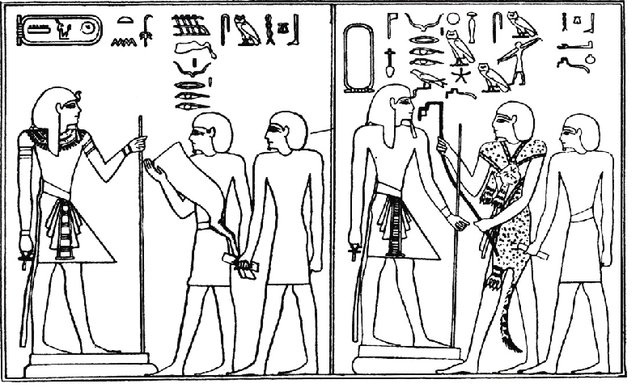
This early report is an example of the scientific analyses I am undertaking within the Tourism Guidance Department, Faculty of Tourism and Hotels, at Fayoum University, Fayoum, Egypt, as a part of my doctoral dissertation, “Food Heritage of Ancient and Contemporary Egypt with Particular Emphasis on Meat Products.” This work aims to explore ancient Egyptian traditions and habits that remain active in Egypt today by drawing links between ancient and contemporary Egyptian cultural heritage, particularly food issues. The traditional cultural and social heritage of Egypt includes different types of meat and meat-based products and meals, cooking traditions, and eating habits. This dissertation particularly aims to survey and describe different meats and meat-based products in Egypt, both past and present. The importance of the study also stems from its contribution to data related to the mobility of food traditions through Egyptian history, with a particular emphasis on meat products. This present paper examines the foreleg of steers (“oxen”)1 so familiar to Egyptologists. Because most previous studies have attempted to explain only the religious importance of the foreleg, the study offered here explores another important facet of the foreleg, namely its nutritive value, to scientifically examine possible nutritional reasons for the Egyptians’ selection of this specific part of the steer as an essential element in their funerary offerings.


 Dr Eslam Salem
Leave a comment